Permanent Residency Application — Support in Ishikawa & Toyama
Compared to other changes of status, permanent residency applications are reviewed strictly, and it’s not unusual for the actual review to take anywhere from several months to over a year.
That’s exactly why it’s important to move forward with a clear outlook from the document preparation stage. The shortest path to that is consulting a professional who knows the system thoroughly and can stand alongside the applicant.
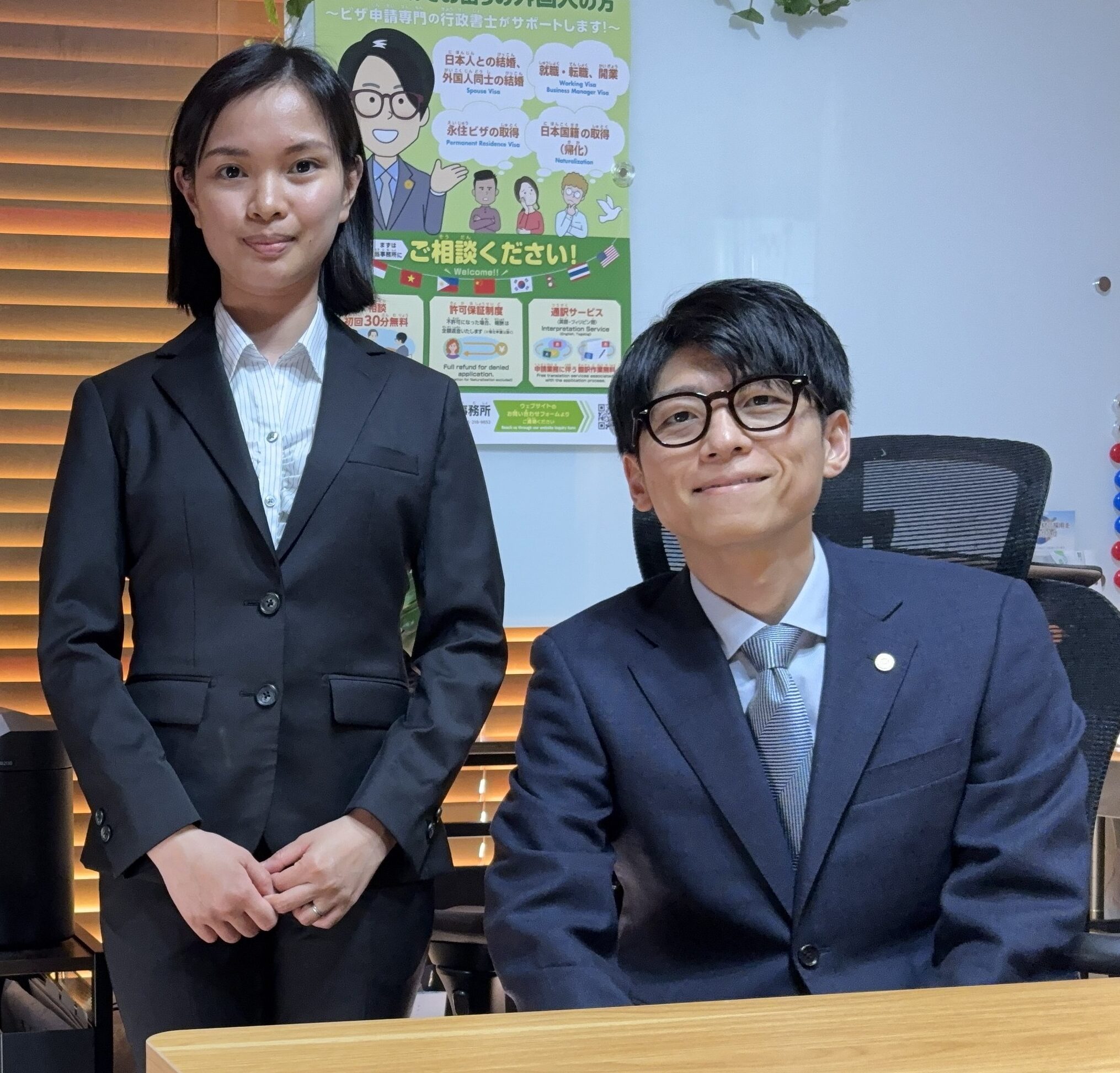
Our representative has experience supporting foreign nationals as a staff member of a technical intern training supervisory organization, and has also personally gone through international marriage and the actual procedure of changing his status of residence to a spousal visa. Drawing on both institutional knowledge and firsthand experience, we carefully walk alongside you from the preparation stage onward.
- What is “Permanent Resident” Status
- The 3 Requirements for Permanent Residency & Common Pitfalls
- The Relaxed Route: From Spousal Visa / Spouse of a Permanent Resident
- Required Documents
- Points to Know During the Review Period
- Our Strengths & Hands-On Support
- Case-by-Case Explanations
- Frequently Asked Questions
What is “Permanent Resident” Status
The status of residence “Permanent Resident” is granted to those whose permanent residency has been approved by the Minister of Justice. There are no work restrictions, and the period of stay is unlimited.
As of the end of Reiwa 7 (2025), the number of foreign nationals residing in Japan under “Permanent Resident” status exceeds 940,000, accounting for about 23% of all foreign residents in Japan.
Because the period of stay is unlimited, you don’t need to renew your status itself. However, please note that your residence card does have an expiration date, and renewing the card is a separate procedure. It’s worth keeping in mind that “renewing the status itself” and “renewing the card” are two different things.
The 3 Requirements for Permanent Residency & Commonly Overlooked Pitfalls
The Immigration Services Agency’s website lists three requirements as the review criteria for permanent residency. However, this wording alone makes it difficult to judge what you actually need to prepare. Here, we explain where the practical hurdles lie within each requirement.
Good Conduct Requirement
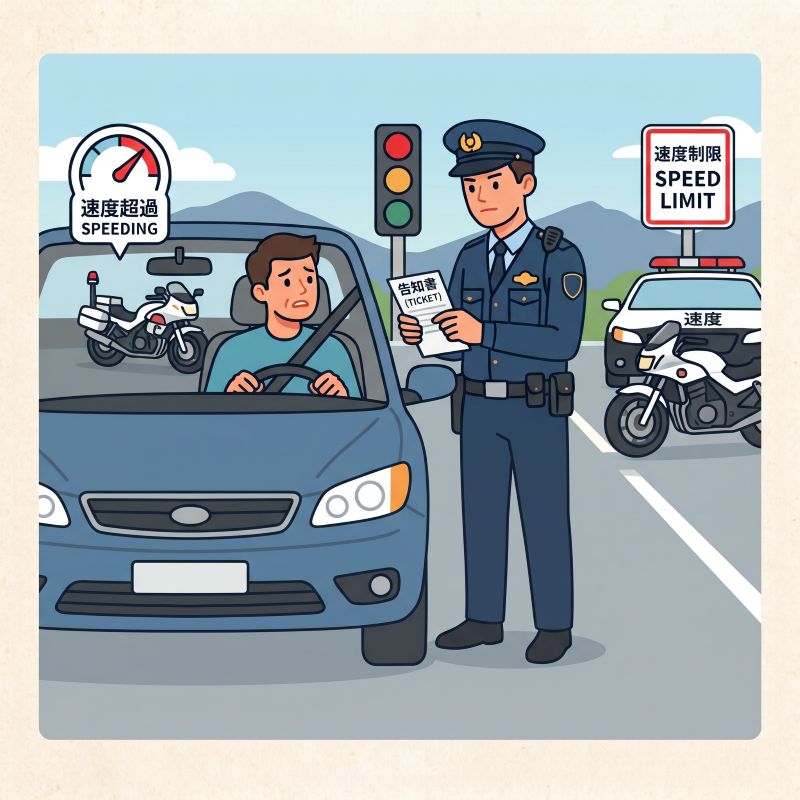
Your history of traffic violations is also part of the review. Even minor violations like parking or speeding tickets can affect the evaluation depending on the number and nature of the violations, so caution is needed.
Independent Livelihood Requirement
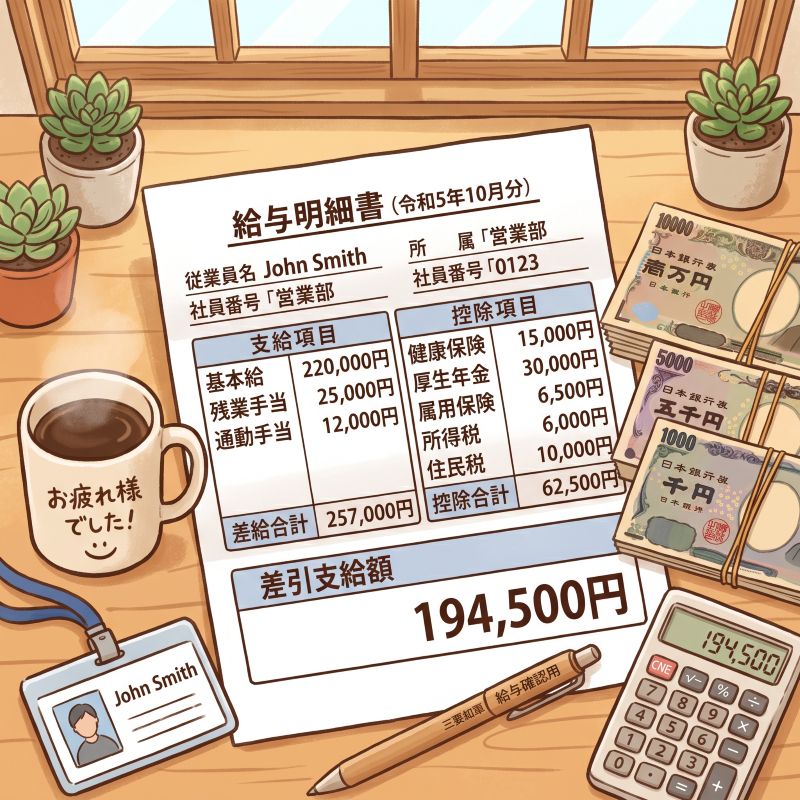
Whether you have a stable income is examined. Since the evaluation can change depending on how household income is considered, and your employment type and years of continuous work, it’s important to understand in advance how your own situation is likely to be viewed.
National Interest Requirement
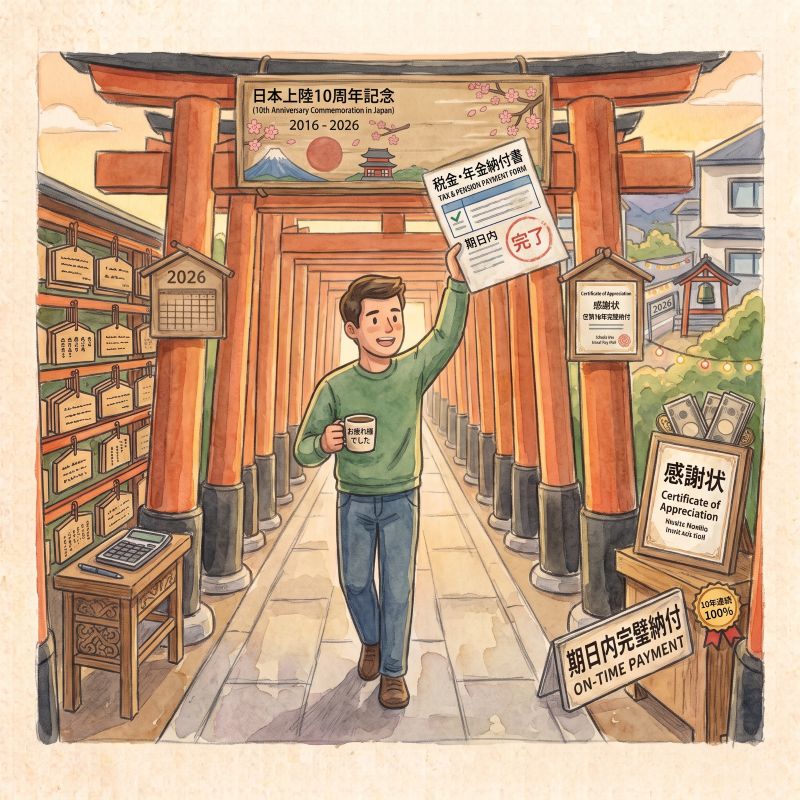
Your years of residence, tax payment record, and social insurance payment record are comprehensively reviewed for the “continuity” and “good faith” of your life in Japan. This isn’t just about a single year’s situation — your record is checked retroactively, looking back over time.
If you are the spouse or child of a Japanese national, a Permanent Resident, or a Special Permanent Resident, you are not required to meet the Good Conduct or Independent Livelihood requirements.
For Spouses of Japanese Nationals & Spouses of Permanent Residents: When Requirements Are Relaxed
As a general rule, obtaining permanent residency requires 10 or more years of continuous residence in Japan. However, if you are the spouse or biological child of a Japanese national, a Permanent Resident, or a Special Permanent Resident, a significantly relaxed set of exceptions applies, including to this years-of-residence requirement.
Specifically, the guidelines set out the special exception requirements as: having maintained a genuine marital life for 3 or more years, AND having continuously resided in Japan for 1 or more year. As noted above, meeting the “Good Conduct” and “Independent Livelihood” requirements is also not required in this case.
The Immigration Services Agency is reportedly considering revising the permanent residency guidelines. Under the proposed changes, the special exception requirements (currently 3 years of marriage / 1 year of residence) could be extended to 5 years and 3 years, respectively. Please contact our office for the latest confirmed information on the effective date and details.
One important caution: meeting this requirement does not mean automatic approval. In assessing the National Interest requirement, your household’s fulfillment of public obligations — such as tax payments, social insurance contributions, resident tax, and pension payments — is still checked.
Our representative himself has gone through international marriage and the procedure of changing his spouse’s status of residence to a spousal visa. He can share, based on that firsthand experience, what steps in your ongoing life in Japan actually build toward permanent residency approval.
Required Documents
The required documents vary depending on your current status of residence and individual circumstances. The Immigration Services Agency’s website provides guidance, but simply gathering everything listed there doesn’t guarantee approval.
【Check Required Documents Here】(※External link [Immigration Services Agency])
The content of your supporting documents and written explanation (riyūsho) is one of the key factors in the review.
There’s a lot to check — whether the explanations are consistent across documents, and whether all necessary information is included without gaps.
If you’re unsure about preparing these on your own, consider consulting an administrative scrivener (gyoseishoshi).
Points to Know During the Review Period
The standard processing time for a permanent residency application is 4 to 6 months, but in practice it can take over a year. If your current status of residence is set to expire before your permanent residency application is decided, you’ll need to separately apply for an extension of your period of stay.
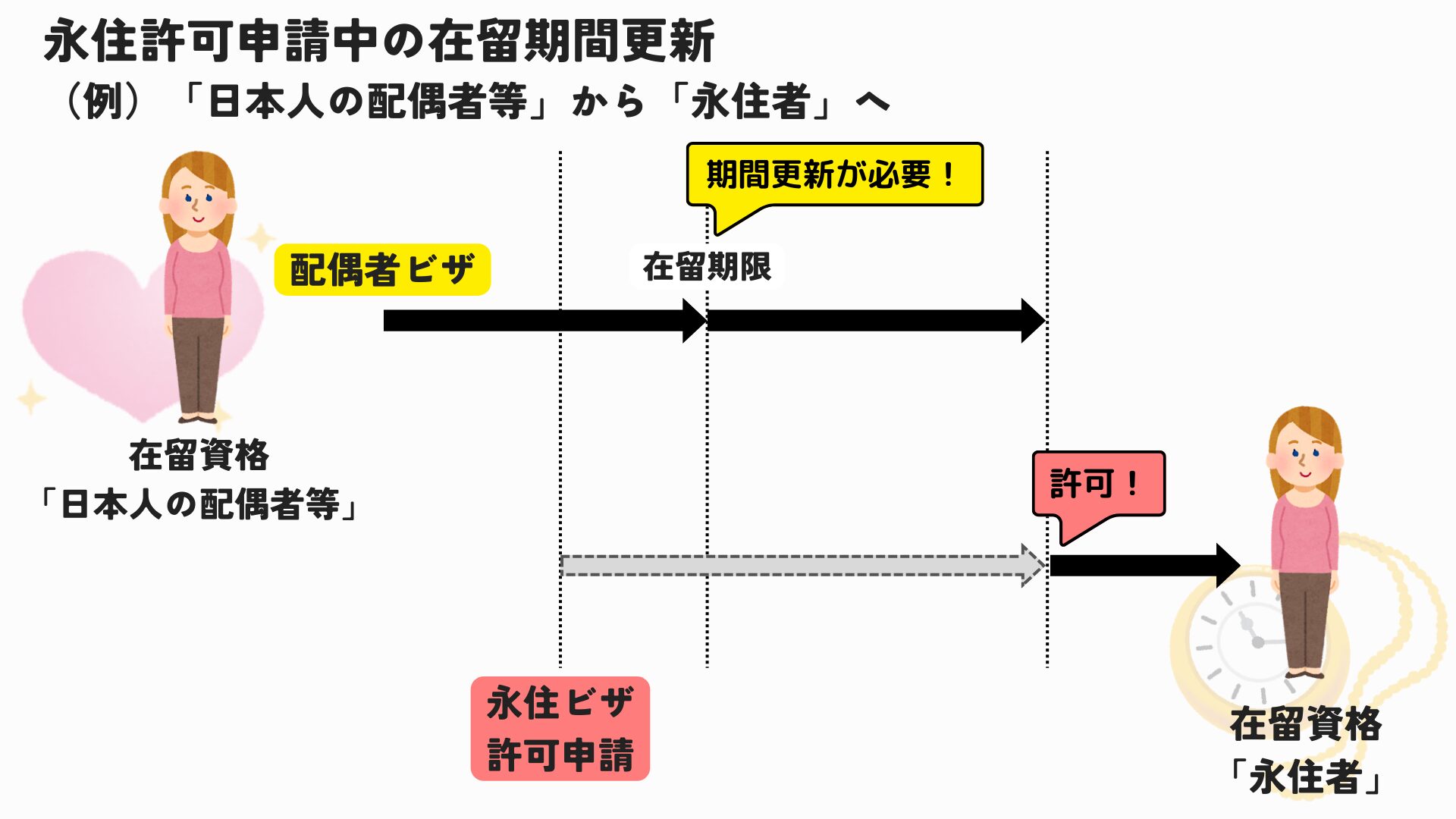
It’s a misconception to think “I’m in the middle of a permanent residency application, so it’s fine even if my current period of stay expires.” Even while your application is pending, you still need to manage your current status’s expiration separately.
Start With a Free Consultation
Consulting early gives you peace of mind for a permanent residency application.
Feel free to check in about your situation.
Why We’re Chosen

A permanent residency application isn’t just about gathering documents — how you explain and demonstrate your situation matters.
Our representative has supported the residence procedures of many foreign nationals as a staff member of a technical intern training supervisory organization. That firsthand experience seeing how the system actually works in practice is put to use in preparing application documents and building your written explanation.
On top of that, our representative himself has gone through international marriage and the procedure of changing his spouse’s status of residence to a spousal visa. We value the perspective that comes not just from “knowing the system as a professional,” but from “having experienced it as an applicant.”
What we value most is the belief that getting your application approved isn’t the only goal. Permanent residency becomes the foundation for your life afterward. That’s why we make it a point to look beyond the immediate procedure and walk alongside you with an eye on your future life and plans.
Case-by-Case: Key Points for Permanent Residency Applications
For permanent residency applications, what’s reviewed and what documents you need to prepare differ depending on your current status of residence and circumstances. Here are the key points to keep in mind for each typical case.
The first thing that matters is whether you meet the special exception requirements for marriage/residence duration (married for 3+ years and residing for 1+ year). While the Good Conduct and Independent Livelihood requirements don’t apply in this case, the National Interest requirement still does — so your household’s fulfillment of public obligations, such as tax payments and social insurance contributions, is checked. You’ll also need to carefully prepare documentation supporting the substance of your marriage (such as evidence of living together and records showing the reality of your life together). If you have a history of divorce or separation, you may be asked to explain those circumstances as well.
As a general rule, you need 10 or more years of continuous residence, of which the most recent 5 years must be under a work-eligible status of residence continuously (time spent under Technical Intern Training or Specified Skilled Worker (i) does not count toward this 5-year period). Since a long-term track record of tax and social insurance payments is important, if you’ve changed jobs or had fluctuations in income, we recommend organizing an explanation of those circumstances. Your position at your workplace and the stability of your employment type are also factors considered for the Independent Livelihood requirement.
Those with Highly Skilled Professional status have access to a points-based system that shortens the required period of residence. If your total points are 70 or more, you may be eligible for permanent residency after 3 years of residence; with 80 or more points, after just 1 year. It’s important to accurately organize the supporting documents behind your point calculation (academic background, work history, income certification, etc.).
One requirement is having continuously resided under “Long-Term Resident” status for 5 or more years. Since the required documents differ depending on the circumstances that led to your Long-Term Resident status (such as being of Japanese descent, a refugee, or settling in Japan after a divorce), preparation needs to be tailored to your individual situation.
Frequently Asked Questions
- What happens if my permanent residency application is denied?
-
Even if denied, reapplying is possible. However, it’s important to accurately understand the reason for the previous denial and address it before reapplying. We’ll first ask about your situation and support you in preparing to reapply.
- What happens if I change jobs or get divorced while my application is pending?
-
If there’s a change that affects the content of your application, a notification may be required. How to handle it depends on your situation, so please consult us promptly if something changes.
- How long does it take to get permanent residency approved?
-
The standard processing time is said to be 4 to 6 months, but in practice it can take over a year. We also help you manage your current status’s expiration during the review period.
- I’m not very confident in my Japanese — can I still request your services?
-
Yes, that’s not a problem. We’ll carefully explain the content and progress of your documents in slow, simple Japanese. We can also discuss arranging an interpreter to join, if needed.
- What are the fees, and what does the Approval Guarantee cover?
-
Details on our fees and Approval Guarantee policy are explained individually during a free consultation. You can check our fee schedule via the link below.
Start With a Free Consultation — Feel Free to Reach Out
With a permanent residency application, having a clear outlook from the preparation stage is essential. Please start by telling us about your situation, or your family’s, in a free consultation.
Book Your Free Initial Consultation
Using the web form above is the smoothest way to contact us or book a consultation.
※For urgent inquiries, you’re also welcome to call us at 076-218-9852.